Friday Funny 816: Kids
>> Friday, October 31, 2014
You don't have kids? Come on... join the fun! Make some babies! They're great!


Read more...
You don't have kids? Come on... join the fun! Make some babies! They're great!
This idea comes up a fair amount when I'm talking with people about racing. How much of what we can do is TALENT, and how much is TRAINING? How much better can get get with proper training? (And on a personal level, is it worth all the hard training to drop XX seconds in any particular event?) Runner's World recently wrote about this, and they cited research from a July/August publication in the journal "Intelligence" and another journal article that looks at how much raw talent sprinters have and just how little/much they can be trained.
Dr. Michael Joyner (from the Mayo Clinic) broke down all the research, and here's what he has to say about all those articles and their stats:
The two charts show how innate “talent” and what is called “trainability” or the response to practice interact. The pairs of lines in each of the two charts show people with either a lot of talent or “no” talent. For each talent category, there are diverging lines that show extremes of the response to training. Some people are more responsive to training than others.Chart 1 uses the 100m sprint as an example of something where elite performance is mostly talent and where training will get you only so far to world class. Importantly a hypothetical person with no talent represented by the bottom pair of lines will never have a performance that overlaps with the talented person even if they respond massively to training and improve their time from 20 seconds all the way down to 14 seconds. This chart is backed by both anecdotal evidence and scientific findings that show sprinters are mostly born and not made.
Chart 2 uses the 10k where training will cause bigger relative improvements in performance in both the talented and untalented. The key point is that given enough training the performances of at least some people with “no” talent can sometimes equal or surpass the performances of some talented individuals, especially an untrained or undertrained talented person.
All of this means that to be truly “elite” you have to have a combination of talent, trainability and training to get there. However, depending on the individual and event, the mix of the three factors varies considerably.
Here's a handful of race photos from Sport Photo showing the 4 of us at work earlier this month during the "Loony Challenge."
What does "do not copy" mean?


Two of the ladies from YoYo Girls made a "top 10 list." Here are the "Top 10 Reasons my Bike is Better than a Boyfriend."
10. My bike is always willing to go with me.
9. My bike doesn’t have any crazy exes.
8. My bike isn’t afraid of commitment.
7. My bike doesn’t snore.
6. My bike likes lube.5. My bike works best with me on top.
4. My bike just rolls with me. Never trying to get me to change my mind.
3. My bike takes me on adventures where I experience the world like never before.
2. My bike goes to get a tune up (physical) annually.
And the #1 reason my bike is better than a boyfriend: My bike will always pose with me for a selfie!
It was a busy weekend. Today's post doesn't have any swim/bike/run info, just a few quick photos from a great weekend at Matt and Angela's wedding:


Here's what my last 3 months of training look like coming off my ankle sprain in April:


Puns + funny costumes = awesome. (via)

I posted this on pro-triathlete buddy Devon's Facebook page the other day:

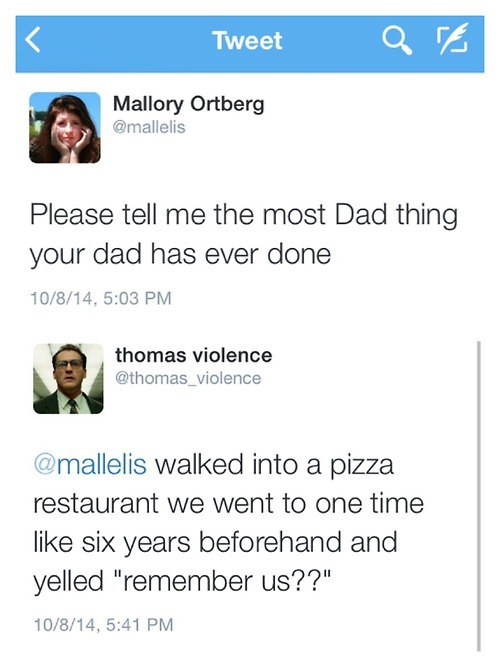
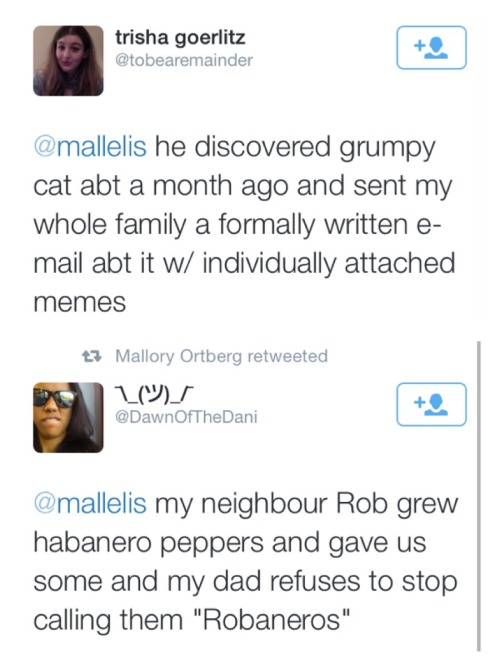
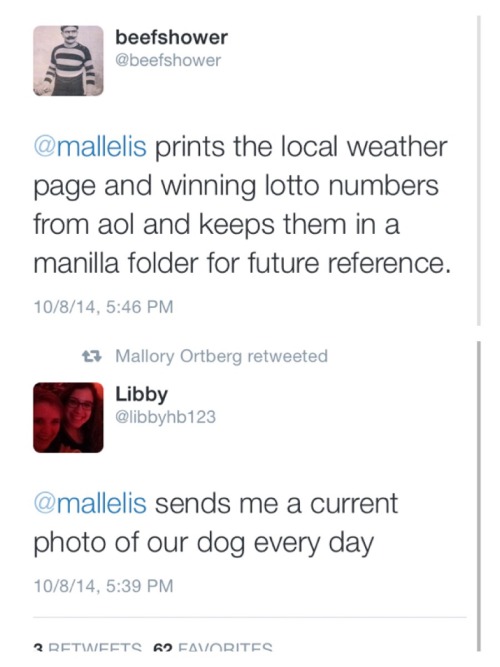
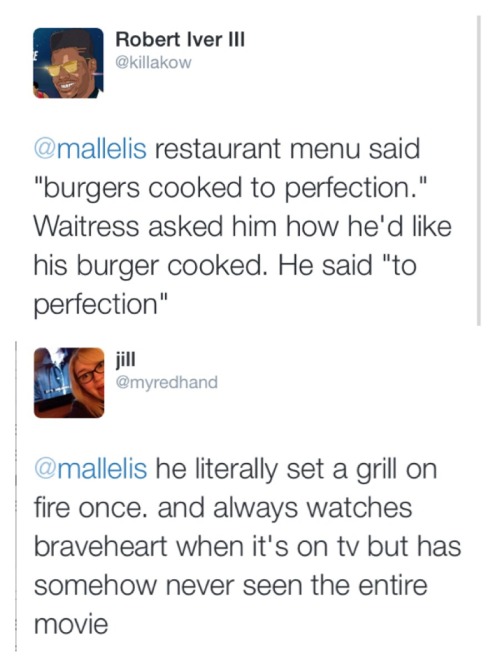
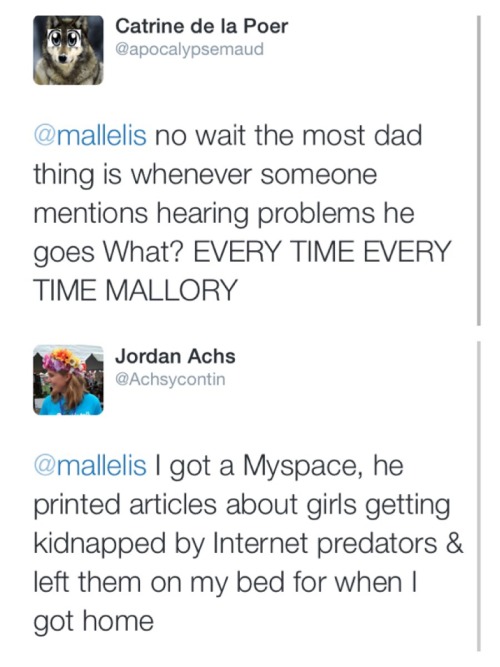
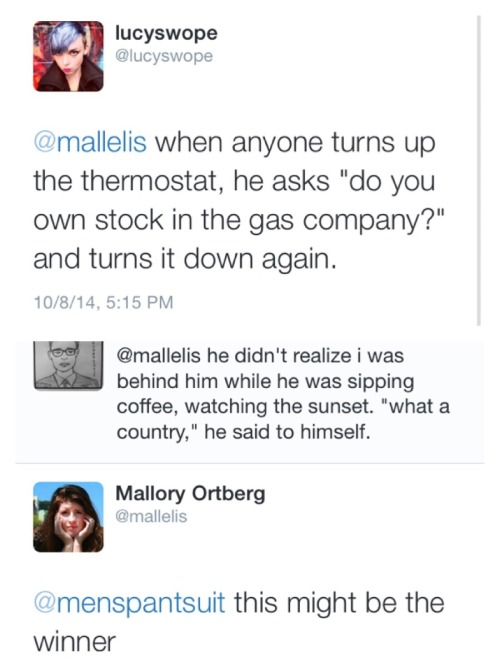
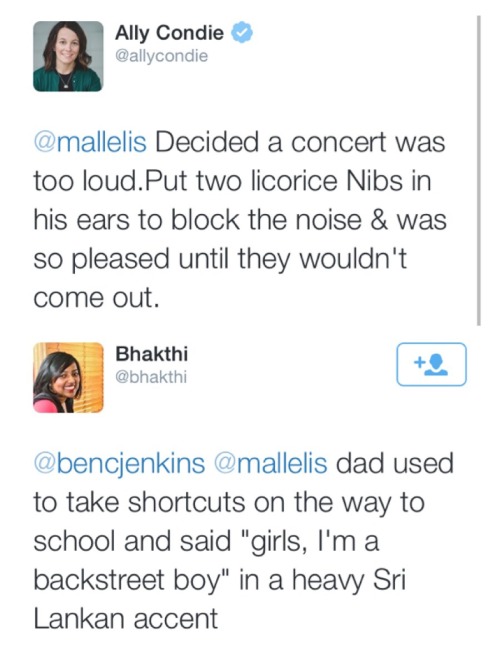
A few days ago, I Instagrammed a photo of Charlie and I mowing the lawn. I captioned it "Mowing the lawn with this goofball. (We have a reel mower - don't worry, he's in no danger.)" Someone told me I missed an opportunity to say "he's in no reel danger." I felt like I missed a chance at a classic "Dad joke."
To help make up for that, here are people tweeting about the most "DAD thing" their Dad has ever done:





 Posts
All Comments
Posts
All Comments


 Posts
All Comments
Posts
All Comments


 Posts
All Comments
Posts
All Comments


